


Hey there! As a supplier of disposable insoles, I've had my fair share of chats with folks about different types of insoles. One common question that pops up is, "How do disposable insoles stack up against foam insoles?" Well, let's dive right in and break it down.
Comfort and Support
First off, let's talk about comfort. Foam insoles have been around for ages, and they're known for their cushiony feel. They're usually made from materials like polyurethane or ethylene-vinyl acetate (EVA), which can provide a decent amount of shock absorption. When you walk or run, the foam compresses to reduce the impact on your feet, making it feel like you're walking on clouds.
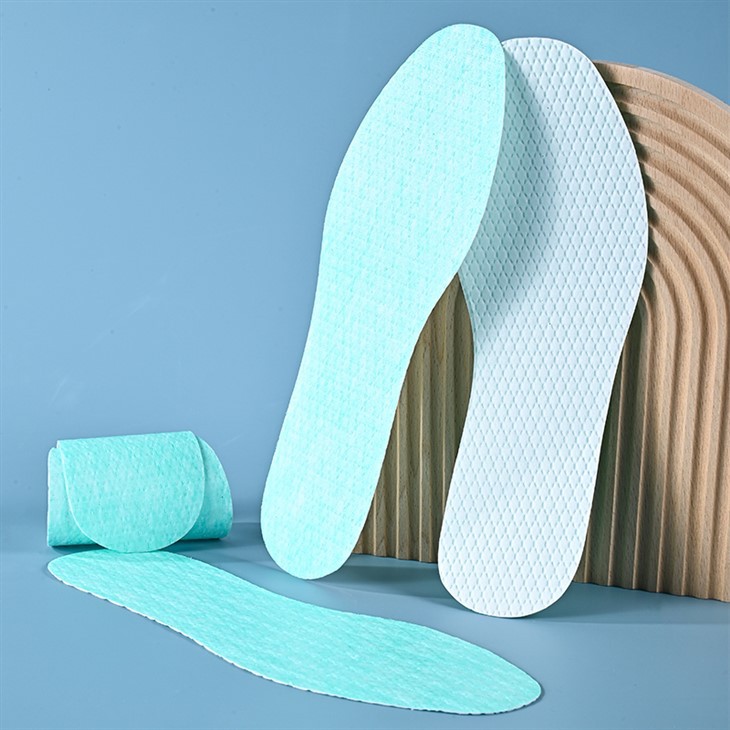
On the other hand, disposable insoles are a bit different. They're often thinner and lighter than foam insoles. But don't let that fool you! Many disposable insoles, like our Barefoot Disposable Insoles, are designed with a focus on providing a natural feel. They're great for people who prefer a more minimalist approach to foot support. You can still get some shock absorption, but it's a bit more subtle compared to foam insoles.
Now, support is another important factor. Foam insoles can be customized to provide different levels of arch support. Some have built-in arch molds to help keep your feet in a more neutral position, which can be beneficial for people with flat feet or high arches. Disposable insoles, while not typically as customizable in terms of arch support, can still offer a basic level of stability. They're designed to fit most shoe sizes and shapes, providing a bit of extra padding and support where you need it.
Hygiene
Hygiene is a big deal when it comes to insoles. Foam insoles can absorb sweat and odor over time. Even if you wash them regularly, it can be tough to completely get rid of that funky smell. And let's face it, nobody wants stinky feet!
Disposable insoles, on the other hand, are a game-changer in the hygiene department. Since they're meant to be thrown away after use, you can easily swap them out for a fresh pair whenever you need to. This helps keep your shoes smelling fresh and your feet feeling clean. It's especially useful for people who are on their feet all day or who have sweaty feet.
Durability
When it comes to durability, foam insoles have an edge. They're designed to last for a while, especially if you take good care of them. With proper cleaning and maintenance, a pair of foam insoles can last for several months or even a year.
Disposable insoles, as the name suggests, are not built to last. They're made for short-term use, typically for a single day or a few uses. But that's not necessarily a bad thing. If you're only going to be using the insoles for a specific event or a short period of time, disposable insoles are a cost-effective and convenient option.
Cost
Cost is always a consideration when making a purchase. Foam insoles can range in price depending on the brand, quality, and features. High-end foam insoles with advanced support and cushioning can cost upwards of $50 or more. While there are also more affordable options available, they may not offer the same level of quality.
Disposable insoles, on the other hand, are generally much more budget-friendly. You can get a pack of disposable insoles for just a few dollars, making them a great option for people on a tight budget. And since you're only paying for what you use, you don't have to worry about investing a lot of money in a pair of insoles that you may not use very often.
Versatility
Foam insoles are quite versatile. They can be used in a variety of shoes, including athletic shoes, dress shoes, and work boots. You can also find foam insoles that are specifically designed for different activities, such as running, hiking, or standing for long periods of time.
Disposable insoles are also versatile, but in a different way. They're great for travel, as they're lightweight and easy to pack. You can also use them in different types of shoes, from sandals to high heels. And since they're disposable, you don't have to worry about transferring them between shoes or cleaning them after each use.
Environmental Impact
In today's world, environmental impact is an important consideration. Foam insoles, especially those made from synthetic materials, can take a long time to break down in landfills. And if they're not disposed of properly, they can contribute to pollution.
Disposable insoles, on the other hand, can be made from more environmentally friendly materials. Many disposable insoles are made from biodegradable or recyclable materials, which means they have a lower impact on the environment. And since they're used for a short period of time, they don't contribute as much to waste as foam insoles.
When to Choose Disposable Insoles
So, when should you choose disposable insoles over foam insoles? Here are a few scenarios:
- Travel: If you're going on a trip, disposable insoles are a great option. They're lightweight, easy to pack, and you can easily replace them if they get dirty or smelly.
- Special Events: For events like weddings, parties, or concerts, where you'll be wearing dress shoes or high heels for a short period of time, disposable insoles can provide a bit of extra comfort without breaking the bank.
- Temporary Use: If you're only going to be using the insoles for a few days or a specific activity, disposable insoles are a cost-effective and convenient option.
When to Choose Foam Insoles
On the other hand, there are times when foam insoles are the better choice:

- Long-Term Use: If you need insoles for everyday use or for a specific activity that you do regularly, foam insoles are a more durable option.
- Customized Support: If you have specific foot problems, such as flat feet or high arches, foam insoles with customized arch support can provide the extra stability and comfort you need.
- Athletic Activities: For sports and other high-impact activities, foam insoles with advanced shock absorption and support can help reduce the risk of injury.
Conclusion
In the end, the choice between disposable insoles and foam insoles depends on your personal needs and preferences. Both types of insoles have their pros and cons, and it's important to consider factors like comfort, support, hygiene, durability, cost, versatility, and environmental impact.
As a supplier of disposable insoles, I believe that disposable insoles offer a unique combination of convenience, affordability, and hygiene. They're a great option for people who are looking for a quick and easy way to add a bit of extra comfort to their shoes.
If you're interested in learning more about our disposable insoles or would like to place an order, feel free to reach out. We're always happy to help and look forward to the opportunity to discuss your specific requirements and how our products can meet your needs. Let's start a conversation and see how we can work together!
References
- American Podiatric Medical Association. (n.d.). Foot Care Tips. Retrieved from [APMA Website]
- Mayo Clinic. (n.d.). Foot Problems. Retrieved from [Mayo Clinic Website]


