


Hey there, sports enthusiasts and fellow insole fans! I'm a supplier of sports insoles, and I've been getting a lot of questions lately about whether sports insoles need to be heated or molded. So, I thought I'd dive into this topic and share my thoughts and knowledge with you.

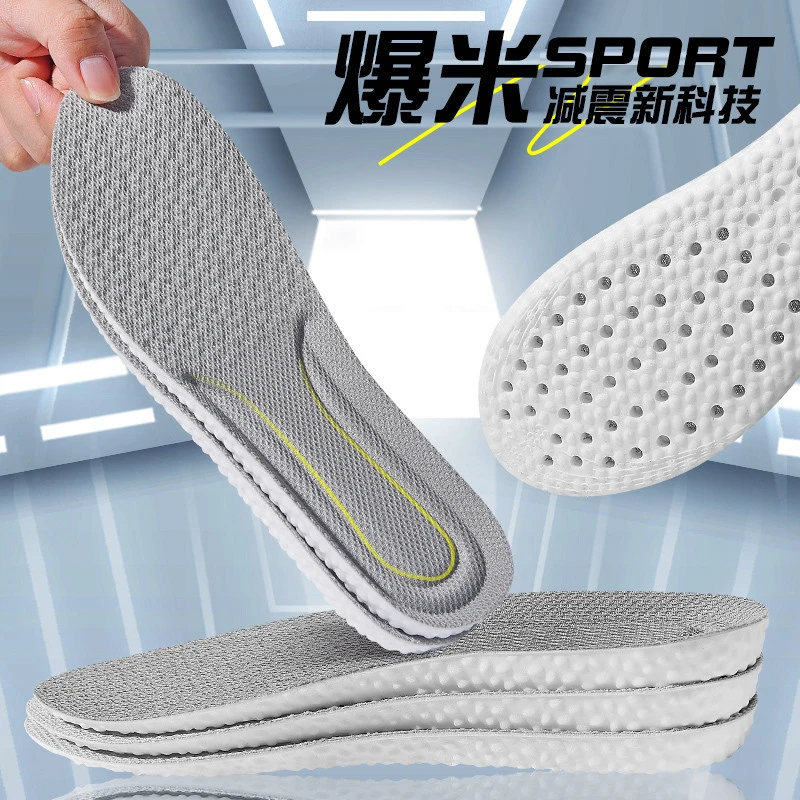
First off, let's talk about what heating or molding a sports insole actually means. Heating or molding an insole is a process where you use heat to make the insole more flexible and adaptable to the shape of your foot. This can be done using a variety of methods, such as using a heat gun, an oven, or even just soaking the insole in hot water. Once the insole is heated, you can then mold it to the shape of your foot by wearing it for a period of time.
Now, the big question is: do sports insoles need to be heated or molded? Well, the answer isn't a simple yes or no. It really depends on a few factors, such as the type of insole, your foot shape, and your personal preferences.
Let's start by looking at the different types of sports insoles. There are several types of sports insoles available on the market, each with its own unique features and benefits. Some of the most common types of sports insoles include:
- Acupoint Massage Sports Insole: These insoles are designed to provide targeted massage to specific acupoints on your feet, which can help improve blood circulation, reduce fatigue, and enhance overall foot health. You can check out our Acupoint Massage Sports Insole for more details.
- Military Training Shoe Insole: These insoles are specifically designed for military training and other high-impact activities. They are typically made from high-quality materials that can withstand the rigors of intense physical activity and provide excellent support and cushioning. Check out our Military Training Shoe Insole for more information.
- PU Sports Shoe Insole: These insoles are made from polyurethane (PU), a lightweight and durable material that provides excellent shock absorption and support. They are a popular choice for athletes and fitness enthusiasts who need a reliable and comfortable insole for their sports shoes. You can find our PU Sports Shoe Insole on our website.
Now, let's talk about how the type of insole can affect whether or not it needs to be heated or molded. Some insoles, such as those made from memory foam or other flexible materials, may not need to be heated or molded because they are already designed to conform to the shape of your foot. On the other hand, some insoles, such as those made from more rigid materials, may benefit from being heated or molded to provide a better fit and more customized support.
Another factor to consider is your foot shape. Everyone's feet are different, and some people may have unique foot shapes or conditions that require a more customized insole. For example, if you have flat feet, high arches, or other foot problems, you may need an insole that is specifically designed to address these issues. In some cases, heating or molding the insole can help it better conform to the shape of your foot and provide more targeted support.
Finally, your personal preferences also play a role in whether or not you should heat or mold your sports insoles. Some people prefer a more customized fit and are willing to go through the process of heating and molding their insoles to achieve it. Others may not mind a more generic fit and are happy with the insole as it is.
So, to sum it up, whether or not sports insoles need to be heated or molded depends on a variety of factors, including the type of insole, your foot shape, and your personal preferences. If you're not sure whether or not your insoles need to be heated or molded, it's always a good idea to consult with a professional, such as a podiatrist or a sports medicine specialist. They can help you determine the best course of action based on your individual needs and circumstances.
Now, let's talk about the benefits of heating or molding your sports insoles. One of the main benefits of heating or molding your insoles is that it can provide a more customized fit. When an insole is heated and molded to the shape of your foot, it can conform to the unique contours of your foot, providing more targeted support and cushioning. This can help reduce the risk of foot injuries, such as blisters, calluses, and plantar fasciitis, and improve your overall comfort and performance.
Another benefit of heating or molding your insoles is that it can improve the longevity of the insole. When an insole is heated and molded, it can become more flexible and adaptable, which can help it better withstand the wear and tear of regular use. This can help extend the life of the insole and save you money in the long run.
Finally, heating or molding your insoles can also enhance the overall performance of your sports shoes. When an insole is properly fitted to your foot, it can help improve your balance, stability, and traction, which can help you perform better in your chosen sport or activity.
Now, let's talk about the process of heating and molding your sports insoles. The process of heating and molding your insoles can vary depending on the type of insole and the method you choose. However, here are some general steps that you can follow:
- Read the instructions: Before you start heating or molding your insoles, it's important to read the instructions carefully. Different insoles may have different heating and molding requirements, so it's important to follow the instructions provided by the manufacturer.
- Prepare the insole: If you're using a heat gun or an oven to heat the insole, you'll need to prepare the insole by removing it from your shoe and placing it on a flat surface. If you're using hot water to heat the insole, you'll need to soak the insole in hot water for a few minutes.
- Heat the insole: Once the insole is prepared, you can start heating it. If you're using a heat gun, you'll need to hold the heat gun about 6 inches away from the insole and move it back and forth evenly over the surface of the insole. If you're using an oven, you'll need to preheat the oven to the temperature specified in the instructions and then place the insole on a baking sheet and bake it for the specified amount of time. If you're using hot water, you'll need to soak the insole in hot water for the specified amount of time.
- Mold the insole: Once the insole is heated, you can start molding it to the shape of your foot. You can do this by wearing the insole in your shoe for a period of time, usually about 30 minutes to an hour. During this time, you should try to walk around normally and let the insole conform to the shape of your foot.
- Cool the insole: After you've molded the insole to the shape of your foot, you'll need to let it cool down. You can do this by leaving the insole in your shoe for a few hours or overnight. Once the insole is cool, it will retain its new shape.
It's important to note that the process of heating and molding your insoles can be dangerous if not done properly. If you're using a heat gun or an oven to heat the insole, you should always follow the safety instructions provided by the manufacturer and use caution to avoid burns or other injuries. If you're not comfortable heating or molding your insoles yourself, you can always take them to a professional, such as a shoe repair shop or a sports store, and have them do it for you.
In conclusion, whether or not sports insoles need to be heated or molded depends on a variety of factors, including the type of insole, your foot shape, and your personal preferences. Heating or molding your insoles can provide a more customized fit, improve the longevity of the insole, and enhance the overall performance of your sports shoes. However, it's important to follow the instructions provided by the manufacturer and use caution to avoid burns or other injuries.
If you're interested in purchasing high-quality sports insoles, we'd love to hear from you. We offer a wide range of sports insoles, including Acupoint Massage Sports Insole, Military Training Shoe Insole, and PU Sports Shoe Insole. Our insoles are made from high-quality materials and are designed to provide excellent support, cushioning, and comfort. Contact us today to learn more about our products and to discuss your specific needs. We look forward to working with you!
References
- "Sports Insoles: Types, Benefits, and How to Choose the Right One." Healthline, Healthline Media, 2021.
- "How to Mold Your Insoles." Dr. Scholl's, Dr. Scholl's, 2021.
- "The Benefits of Custom-Fit Insoles." Podiatry Today, Podiatry Today, 2021.


