


As a long - standing supplier of leather insoles, I've encountered numerous inquiries from customers regarding the durability of our products, especially the question of whether leather insoles are prone to cracking. In this blog post, I'll delve into the factors that influence the cracking of leather insoles and share insights on how to prevent it.
Understanding Leather Insoles
Leather insoles have been a staple in the footwear industry for centuries. They offer a unique combination of comfort, durability, and breathability. Leather is a natural material that conforms to the shape of the foot over time, providing a personalized fit. There are different types of leather used for insoles, including full - grain leather, top - grain leather, and split leather. Full - grain leather, which is the highest quality, retains the outermost layer of the hide, making it more durable and resistant to wear.
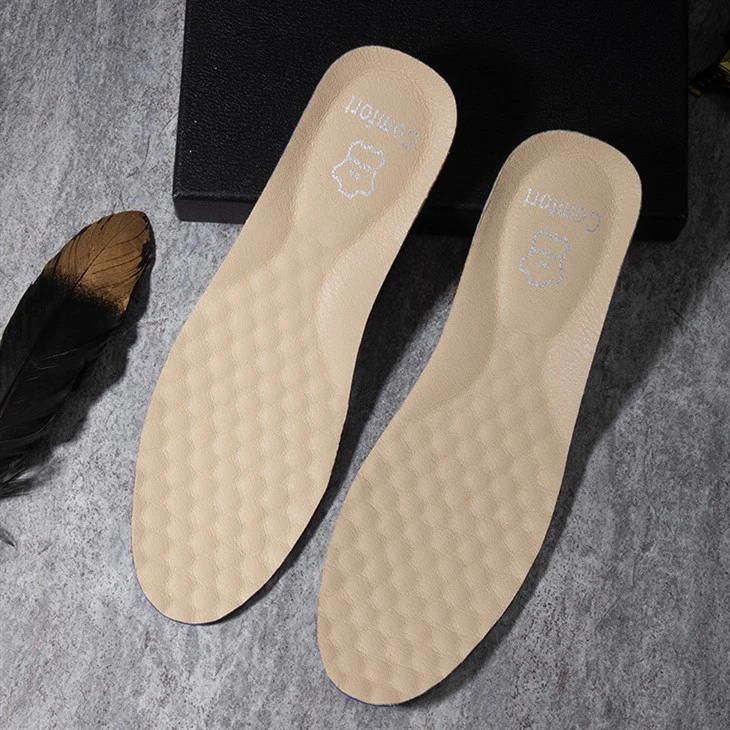
We offer a variety of leather insoles, such as Leather Shoe Insole, Thin Sweat Absorbing and Breathable Leather Insole, and Latex Leather Insole. Each type is designed to meet different customer needs, whether it's for casual shoes, formal footwear, or sports shoes.
Factors Influencing Cracking
1. Quality of Leather
The quality of the leather used in the insole is a crucial factor. Lower - quality leathers, such as split leather, are more likely to crack compared to full - grain or top - grain leathers. Split leather is made from the lower layers of the hide and has a weaker structure. It lacks the natural fibers and strength of the upper layers, making it more susceptible to damage.
2. Environmental Conditions
Exposure to extreme environmental conditions can cause leather insoles to crack. High humidity can make the leather absorb moisture, causing it to expand and then contract when it dries. This repeated expansion and contraction can weaken the leather fibers and lead to cracking. On the other hand, low humidity, especially in dry climates or during winter months, can cause the leather to dry out. When leather loses its natural oils, it becomes brittle and more likely to crack.
3. Usage and Wear
The way the insoles are used also affects their durability. Insoles in shoes that are worn for long periods, especially during high - impact activities like running or heavy - duty work, are subject to more stress. The constant pressure and friction can cause the leather to wear down faster, increasing the risk of cracking. Additionally, improper fitting of shoes can put uneven pressure on the insoles, leading to premature wear and cracking in specific areas.
4. Maintenance
Lack of proper maintenance can significantly increase the likelihood of cracking. Leather needs to be cleaned and conditioned regularly to keep it supple. If dirt and debris are allowed to accumulate on the insoles, they can scratch the leather surface and penetrate the fibers, weakening the structure. Also, using harsh chemicals or cleaners on leather insoles can strip away the natural oils, making the leather dry and brittle.
Preventing Cracking
1. Choose High - Quality Leather Insoles
When purchasing leather insoles, it's essential to choose products made from high - quality leather. Full - grain and top - grain leathers are more resistant to cracking and offer better long - term performance. As a supplier, we ensure that our Leather Shoe Insole and other products are made from premium leather to provide customers with durable and reliable insoles.
2. Control Environmental Exposure
To protect leather insoles from environmental damage, it's important to store shoes in a cool, dry place with moderate humidity. Using a shoe tree can help maintain the shape of the shoes and prevent the insoles from being compressed. In dry climates, using a leather conditioner can help keep the leather moisturized. During wet weather, it's advisable to wear waterproof shoes or use shoe covers to prevent the insoles from getting wet.
3. Proper Usage and Fitting
Make sure to choose shoes that fit properly. Ill - fitting shoes can cause excessive pressure on the insoles, leading to cracking. If you're using the insoles for sports or high - impact activities, consider using shoes specifically designed for those activities. These shoes often have better shock absorption and support, reducing the stress on the insoles.
4. Regular Maintenance
Regular cleaning and conditioning are key to maintaining the quality of leather insoles. Use a soft brush or cloth to remove dirt and debris from the surface of the insoles. Then, apply a leather conditioner to replenish the natural oils and keep the leather supple. Conditioning should be done every few months, depending on the frequency of use.
Our Commitment as a Supplier
As a leather insole supplier, we are committed to providing high - quality products that are resistant to cracking. We source the best leather materials and use advanced manufacturing techniques to ensure the durability of our insoles. Our Thin Sweat Absorbing and Breathable Leather Insole is designed to offer both comfort and longevity, even in demanding conditions.
We also offer comprehensive after - sales support and guidance on how to care for our leather insoles. Our team of experts is always available to answer any questions you may have about the products, including how to prevent cracking and extend the lifespan of the insoles.
Conclusion
In conclusion, while leather insoles can crack under certain conditions, the risk can be significantly reduced by choosing high - quality products, controlling environmental exposure, using the insoles properly, and maintaining them regularly. As a reliable leather insole supplier, we strive to provide our customers with the best products and support to ensure their satisfaction.

If you're interested in purchasing our leather insoles or have any questions about our products, we encourage you to reach out to us for a procurement discussion. We look forward to serving you and meeting your leather insole needs.
References
- "The Science of Leather: Properties and Durability", Journal of Leather Science and Technology
- "Footwear Design and Technology", by John Wilson
- "Leather Care and Maintenance Guide", published by the Leather Goods Association


